
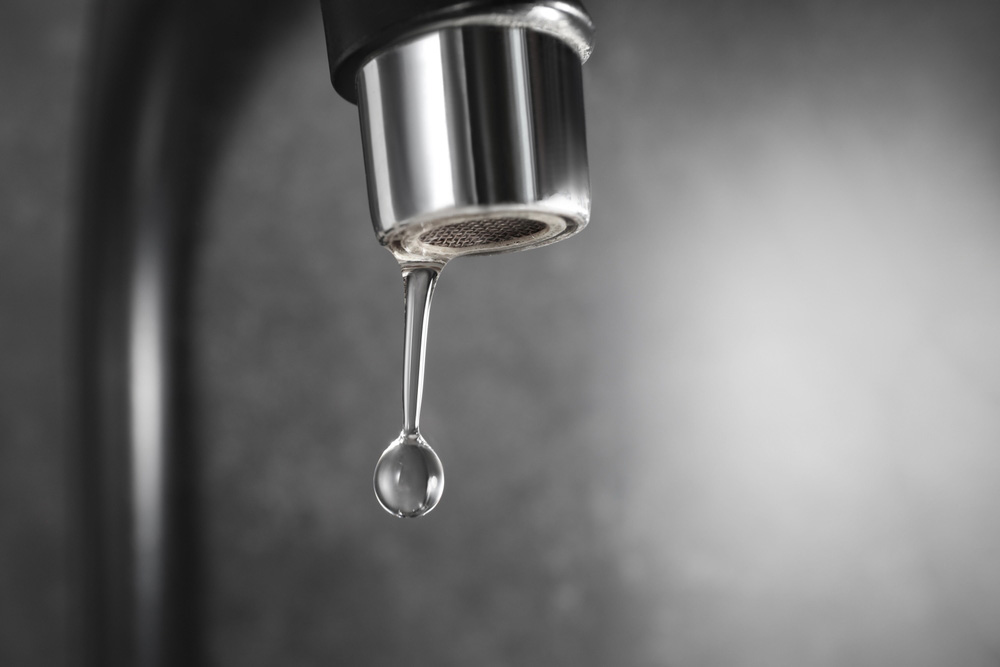
A dripping faucet always seems louder at night. When the house is quiet, that steady tap can feel impossible to ignore. More than just an annoyance, nighttime dripping is often a sign of internal wear that deserves attention. Many homeowners assume replacement is the only answer, but that’s not always true. In many cases, proper diagnosis and repair solve the problem long before faucet installation in Rock Hill, SC, becomes part of the conversation. At Option One Plumbing of the Carolinas, we’ve helped homeowners quiet their faucets and understand what’s really happening inside them.
Why Drips Get Worse After Dark
Water pressure naturally shifts when fixtures are not in use, especially overnight. These pressure changes expose worn washers, cartridges, or valve seats. According to the U.S. Geological Survey, a single faucet dripping once per second can waste more than 3,000 gallons of water per year. That slow, steady loss adds up, and it often shows itself first during quiet nighttime hours.
The Real Culprit Inside the Faucet
Most drips come from aging internal components rather than the faucet body itself. Rubber washers dry out, cartridges wear down, and mineral buildup interferes with proper sealing. Homeowners often jump straight to replacing a kitchen sink faucet, but many faucets stop dripping with targeted internal repairs that restore proper shutoff.
Kitchen vs. Shower Drips
Kitchen and bathroom faucets fail in different ways. A kitchen faucet drip may come from frequent use or hard water buildup, while a shower faucet drip often points to a worn cartridge behind the wall. Changing out a shower faucet is not always required, but identifying the correct valve issue early prevents moisture from spreading into walls and floors.
When Adjustments Are Enough
Simple fixes such as replacing seals, tightening internal fittings, or cleaning mineral deposits often eliminate dripping entirely. Changing a kitchen faucet becomes necessary only when internal components are no longer compatible or the fixture has structural damage. Professional faucet installation focuses on proper alignment and pressure control, which also helps prevent recurring leaks.
Knowing When Replacement Makes Sense
Some faucets reach a point where repair no longer makes practical sense. Corrosion, outdated parts, or repeated internal failures may point toward faucet installation as the smarter long-term move. A professional assessment helps determine whether repair or replacement best fits your situation without guesswork.
FAQs
Why does my faucet only drip at night?
Lower water usage at night exposes worn internal parts that struggle to seal fully.
Is a dripping faucet always a sign of damage?
Dripping usually indicates wear inside the faucet, even if the fixture looks fine.
Can hard water cause faucet drips?
Yes, mineral buildup interferes with proper sealing and leads to slow leaks.
Should I shut off the water until it’s fixed?
If the drip is steady, shutting off the fixture supply valve can reduce waste temporarily.
Quiet the Drip with the Right Help
Option One Plumbing of the Carolinas provides quality kitchen faucet installation in Rock Hill, SC, backed by over three decades of combined experience. We always treat your home as if it were our own, and you receive honest, upfront pricing from our service professionals. Available 24 hours a day for emergency plumbing services, our team focuses on smart repairs first and clear recommendations when replacement becomes the better option. If your faucet is keeping you up at night, we’re ready to help bring the quiet back. Reach out to us today!